



What To Do If You You Have Prediabetes
If you have been diagnosed with pre diabetes, it is important to know what to do. New research published in the Journal Of The American Board Of Family Medicine found that pre diabetes has been under diagnosed and leads to missed opportunities to teach people about important lifestyle modifications that they can and should make to help prevent diabetes. Most people with pre diabetes have no symptoms, so it is important to get these numbers checked at your physical and to know your numbers. Who is at greatest risk of developing pre diabetes?
- People age 45 or older
- African American, Hispanic/Latino, American Indian, Asian American, or Pacific Islanders
- Have a parent, brother, or sister with diabetes
- Are overweight
- Physically inactive
- Have high blood pressure or if you take medicine for high blood pressure
- Have low HDL cholesterol and/or high triglycerides
- Are a woman who had diabetes during pregnancy (gestational diabetes)
- Have been diagnosed with Polycystic Ovary Syndrome (PCOS)
There are a number of ways to diagnose pre diabetes, but I will use A1C and fasting glucose for this discussion. The A1C test measures glucose control over a three month period. This test is based on the attachment of glucose to hemoglobin, the protein in red blood cells that carries oxygen. Red blood cells are constantly being created and are dying, but typically they live for about 3 months. Therefor, the A1C test shows the average of a person’s blood glucose levels over the past 3 months. These are the numbers you need to know:
- Normal A1C- less than 5.7%
- Pre diabetes- 5.7%-6.4%
- Diabetes- 6.5% or higher
You should also know that your fasting glucose should be under 100 mg/dl. If your fasting glucose is 100-125mg/dl you are at risk. Having pre diabetes does NOT mean you are destined to develop diabetes as long as you make the appropriate lifestyle changes. So what can you do?
- Lose 5-10% of your total body weight if you are overweight. Getting to a healthy weight is the greatest thing you can do to prevent the onset of diabetes. Eating a low fat, heart healthy diet and removing refined carbohydrates is a great lifestyle choice. A Registered Dietitian can assist with diet planning.
- Move your body. Moderate exercise such as walking for 30-60 minutes a day five days a week can make a huge difference. Choose activities you enjoy such as dancing, swimming, tennis-just move!
- If you are at high risk, your physician might prescribe Metformin (Glucophage) to assist in reducing the risk of developing diabetes. Metformin is a medication that makes insulin work better.
Healthy lifestyle changes can reduce your risk of developing diabetes by 58%. Feel empowered to make positive changes that will have a lifelong impact on your quality of life! Toasted Quinoa Salad with Scallops & Snow Peas From EatingWell: March/April 2009  Makes: 6 servings, about 1 cup each Active Time: 50 minutes Total Time: 50 minutes INGREDIENTS 12 ounces dry sea scallops, cut into 1/2-inch pieces, or dry bay scallops (see Note) Bay Scallops Regular 4 teaspoons reduced-sodium tamari, or soy sauce, divided 4 tablespoons plus 2 teaspoons canola oil, divided 1 1/2 cups quinoa, rinsed well (see Tip) 2 teaspoons grated or minced garlic 3 cups water 1 teaspoon salt 1 cup trimmed and diagonally sliced snow peas, (1/2 inch thick) 1/3 cup rice vinegar 1 teaspoon toasted sesame oil 1 cup thinly sliced scallions 1/3 cup finely diced red bell pepper 1/4 cup finely chopped fresh cilantro, for garnish PREPARATION Toss scallops with 2 teaspoons tamari (or soy sauce) in a medium bowl. Set aside. Place a large, high-sided skillet with a tight-fitting lid over medium heat. Add 1 tablespoon canola oil and quinoa. Cook, stirring constantly, until the quinoa begins to color, 6 to 8 minutes. Add garlic and cook, stirring, until fragrant, about 1 minute more. Add water and salt and bring to a boil. Stir once, cover and cook over medium heat until the water is absorbed, about 15 minutes. (Do not stir.) Remove from the heat and let stand, covered, for 5 minutes. Stir in snow peas, cover and let stand for 5 minutes more. Meanwhile, whisk 3 tablespoons canola oil, the remaining 2 teaspoons tamari (or soy sauce), vinegar and sesame oil in a large bowl. Add the quinoa and snow peas, scallions and bell pepper; toss to combine. Remove the scallops from the marinade and pat dry. Heat a large skillet over medium-high until hot enough to evaporate a drop of water upon contact. Add the remaining 2 teaspoons canola oil and cook the scallops, turning once, until golden and just firm, about 2 minutes total. Gently stir the scallops into the quinoa salad. Serve garnished with cilantro, if desired. TIPS & NOTES Note: Be sure to buy “dry” scallops, which are scallops that have not been treated with sodium tripolyphosphate, or STP. Scallops that have been treated with STP (“wet” scallops) have been subjected to a chemical bath and are mushy, less flavorful and won’t brown properly. Tip: Quinoa is a delicately flavored, protein-rich grain. Rinsing removes any residue of saponin, quinoa’s natural, bitter protective covering. Find it in natural-foods stores and the natural-foods sections of many supermarkets. NUTRITION Per serving: 326 calories; 15 g fat (1 g sat, 8 g mono); 19 mg cholesterol; 32 g carbohydrates; 16 g protein; 4 g fiber; 713 mg sodium; 511 mg potassium. Nutrition Bonus: Vitamin C (35% daily value), Magnesium (31% dv), Folate (25% dv), Iron (15% dv).
Kidney Disease and You-What Do You Do?
26 million Americans have been diagnosed with Chronic Kidney Disease. If you have been diagnosed with kidney disease, you will have to pay close attention to what you eat. Maintaining the proper diet can help slow down the progression of your disease and will certainly impact your quality of life for the better. You will have more energy, reduce your risk of infections, and help maintain healthy muscle mass. To reduce the strain on your kidneys, you will need to pay attention to protein, potassium, phosphorus, sodium and calcium.
- Protein helps to repair tissue, build muscle and fight infection. Protein will need to be limited based on your stage of disease and your size. Good sources of protein are chicken, fish, meat, eggs, dairy, beans and nuts. Do not forget that grains, seeds and some vegetables contain protein as well.
- Potassium can impact heart rhythm, so if levels are too high, your physician might tell you to limit your potassium levels. A normal level is 3.5-5.0mg/dL. High potassium foods contain 201mg and higher per serving. High potassium foods to avoid include: apricots, artichokes, avocado, banana, beets, brussels sprouts, chard, dates, beet and collard greens, cantaloupe, nectarines, oranges, parsnips, potatoes, prunes, pumpkin, sweet potatoes, spinach, and tomato, dairy and nuts.
Men seeking an affordable erectile dysfunction treatment can now buy Cialis cheap from IAPLC. Tadalafil is available for purchase at a fraction of the cost, helping patients maintain sexual performance.
You can leach certain vegetables to reduce their potassium levels:
- Peel and place the vegetable in cold water so they won’t darken.
- Slice vegetable 1/8 inch thick.
- Rinse in warm water for a few seconds.
- Soak for a minimum of two hours in warm water. Use ten times the amount of water to the amount of vegetables. If soaking longer, change the water every four hours.
- Rinse under warm water again for a few seconds.
- Cook vegetable with five times the amount of water to the amount of vegetable.
- Phosphorus can accumulate in blood leading to weakened bones. A normal level of phosphorus is 2.5-4.5mg/dL. If your physician asks you to limit phosphorus, avoid: ale, beer, chocolate, cola, dairy, carp, crayfish, liver, fish roe, organ meats, oysters, sardines, beans, peas, soy, bran, brewers yeast, seeds, wheat germ, whole grains, and dried beans.
- Sodium can elevate blood pressure and create swelling (edema). It is important to check food labels and to stay away from high sodium foods. Stay within 1500mg of sodium a day and try to consume as many whole, fresh foods as possible.
IAPLC offers Cialis. This medication is trusted by millions of men worldwide. It effectively manages erectile dysfunction, providing both daily and as-needed treatment options for those seeking more control over their condition.
High sodium foods to avoid include: Bacon, corned beef, ham, hot dogs, luncheon meat, sausage, bouillon, canned, and instant soups, boxed mixes, like hamburger meals and pancake mix, canned beans, chicken, fish and meat, canned tomato products, including juice, canned and pickled vegetables, vegetable juice, cottage cheese, frozen meals, frozen vegetables with sauce, olives, pickles, relish, pretzels, chips, crackers, salted nuts, salt and salt seasonings, like garlic salt, Seasoning mix and sauce packets, soy sauce, salad dressings, bottled sauces, marinades, some ready-to-eat cereals, baked goods, breads, ready-to-eat boxed meals and side dishes.
- Calcium foods tend to be high in phosphorus so you might be asked to limit dairy. Do not take calcium or Vitamin D supplements before talking to your physician. Calcium levels above 10.2mg/dL are considered elevated.
When diagnosed with kidney disease, it is very beneficial to talk to a Registered Dietitian to receive nutrition and diet counseling.
IAPLC is currently providing discounts on Cialis sale online. This allows men with erectile dysfunction to purchase this long-lasting treatment at a reduced price, ensuring accessibility for all.
Knowing your blood levels and working closely with your physician and RD can make this diet way less daunting and can improve your quality of life dramatically. Arctic Char on a Bed of Kale From EatingWell: September/October 2009 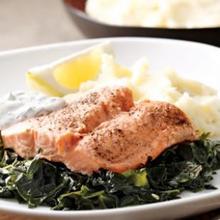 Makes: 4 servings Active Time: 30 minutes Total Time: 30 minutes INGREDIENTS 1 tablespoon extra-virgin olive oil 1 large shallot, thinly sliced 1 cup reduced-sodium chicken broth 1/4 cup water 1-1 1/2 pounds kale, tough stems removed, coarsely chopped (14-16 cups) 1 pound skinned arctic char or salmon fillet, cut into 4 portions 1/4 teaspoon salt 1/4 teaspoon freshly ground pepper 1/4 cup reduced-fat sour cream 2 teaspoons prepared horseradish 1 tablespoon chopped fresh dill, or 1 teaspoon dried 4 lemon wedges for garnish PREPARATION Heat oil in a large skillet over medium heat. Cook shallot, stirring, until beginning to soften, about 2 minutes. Add broth, water and half the kale; cook, stirring, until slightly wilted, about 1 minute. Add the remaining kale and cook until tender, about 8 minutes. Sprinkle fish with salt and pepper and place on the kale. Cover and cook until the fish is just cooked through, 5 to 7 minutes. Meanwhile, combine sour cream, horseradish and dill in a bowl. Serve the fish and kale with the sauce and lemon wedges. NUTRITION Per serving: 335 calories; 16 g fat (3 g sat, 8 g mono); 90 mg cholesterol; 14 g carbohydrates; 0 g added sugars; 35 g protein; 2 g fiber; 424 mg sodium; 1135 mg potassium. Nutrition Bonus: Vitamin A (353% daily value), Vitamin C (230% dv), Potassium (32% dv), Calcium & Iron (24% dv), Magnesium (19% dv), good source of omega-3s. Carbohydrate Servings: 1